In modern surgical practice, maintaining a secure and comfortable airway is essential, especially during procedures that require unconventional patient positioning. Well Lead Medical’s PVC reinforced tracheal tubes without cuffs provide a dependable solution by combining kink-resistant performance with a flexible structure. With a spiral wire embedded within the tube wall, these reinforced designs ensure that the airway remains open even when the head or neck is placed in extreme positions, making them ideal for complex surgical environments that demand uninterrupted airflow.
Material Strength and Structural Safety
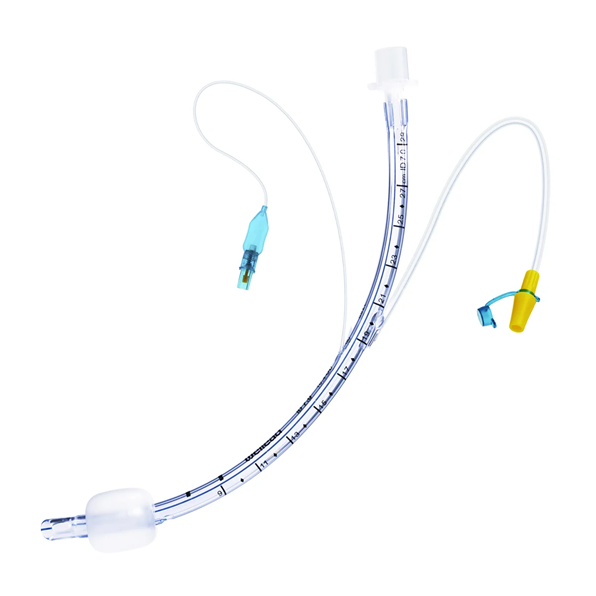
Well Lead Medical has optimized the structure of its reinforced tubes to balance softness, flexibility, and durability. The embedded wire coil enhances the tube’s ability to maintain shape while still bending naturally to accommodate patient anatomy and surgical positioning. At the same time, the presence of a radiopaque line allows clinicians to easily identify the tube’s placement under radiographic imaging. Each tube features a reliable 15 mm connector that ensures a secure interface with standard anesthesia and ventilation devices, giving clinicians consistent performance throughout the procedure.
Versatile Cuff and Uncuffed Options
A major advantage of these reinforced tracheal tubes is their availability in high-volume, low-pressure cuffs, low-profile cuffs, and uncuffed variations, offering clinicians the flexibility to choose the most appropriate option for each type of surgery. The high-volume, low-pressure cuff provides effective sealing while minimizing pressure on the tracheal wall, whereas the low-profile cuff design supports easier placement in restricted surgical fields. For situations where minimal airway irritation is desired or where cuff pressure management is unnecessary, the uncuffed version offers a dependable alternative without compromising airway stability.
Ideal Applications in Specialized Surgeries
Reinforced tracheal tubes are particularly well suited for neurosurgical procedures, head and neck surgeries, and any clinical scenario in which patient positioning may distort or compress the airway. During these procedures, the tube must maintain patency despite flexion, rotation, or external pressure, and the wire-reinforced structure ensures that it can withstand such challenges without collapsing. This makes the tube a trusted choice for anesthesiologists who require consistent ventilation delivery throughout long or technically demanding operations.
Conclusion: Reliable Airway Support for Complex Procedures
Selecting a dependable airway device is crucial for ensuring patient safety in high-risk surgical settings, and Well Lead Medical’s Reinforced Tracheal Tubes deliver the performance and adaptability required for these situations. Their kink-resistant construction, radiopaque visibility, universal connector compatibility, and multiple cuff configurations contribute to a versatile airway solution capable of supporting a wide range of clinical needs. By prioritizing stability and patient comfort, Well Lead Medical continues to provide clinicians with airway tools designed for precision, safety, and dependable performance during complex surgical procedures.