Silicone sealant is widely used for waterproofing and sealing gaps, but its effectiveness depends on proper curing. This process involves exposure to air and humidity, allowing the sealant to set and form a durable, flexible barrier. However, what happens if silicone sealant gets wet before it cures? Water can interfere with this process, leading to improper bonding, surface imperfections, or even complete failure of the seal. Using a premium product like SANVO’s silicone sealant and following correct application methods can help ensure strong adhesion and long-lasting performance.
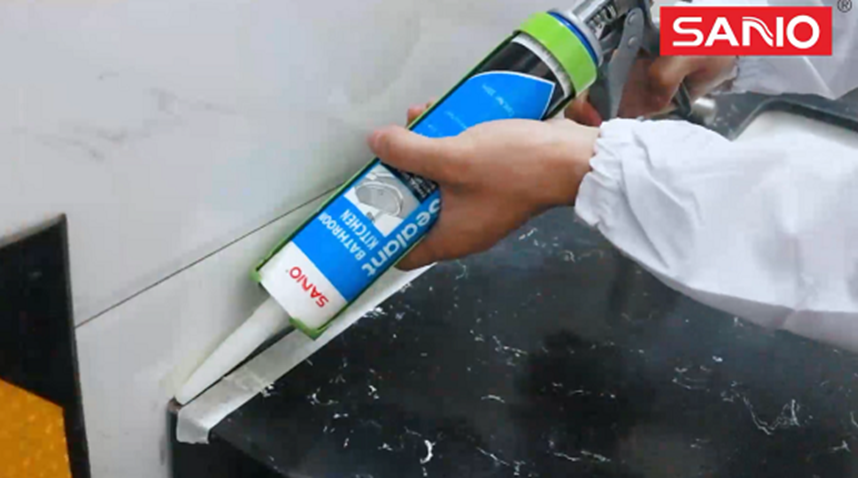
Best Practices to Keep Silicone Sealant Dry During Curing
To prevent water-related issues, taking precautions during the application process is absolutely essential for achieving a durable and long-lasting seal. First and foremost, always check the weather forecast before sealing any outdoor surfaces to ensure optimal conditions. If rain is expected within the curing period, it is advisable to delay the project or use protective covers to shield the sealant from moisture. For indoor applications, it is equally important to control humidity levels by ensuring proper air circulation and ventilation in the workspace. Another key practice is to avoid direct water exposure, such as accidental spills, cleaning, or washing the sealed area too soon after application. Using high-quality products like SANVO’s advanced silicone sealants, which are designed to provide exceptional and reliable protection, will further enhance the effectiveness of the seal. However, maintaining a dry and controlled environment throughout the curing process is crucial for maximizing performance and ensuring a smooth, professional, and long-lasting finish.
Conclusion
Preventing water exposure before silicone sealant cures is critical to achieving a strong, long-lasting seal. If silicone sealant gets wet before it cures, it may result in weak bonding, discoloration, or peeling. By carefully planning the application process and using high-quality sealants from SANVO, users can ensure a smooth and professional finish. Following best practices will lead to better results and extended durability for any sealing project.